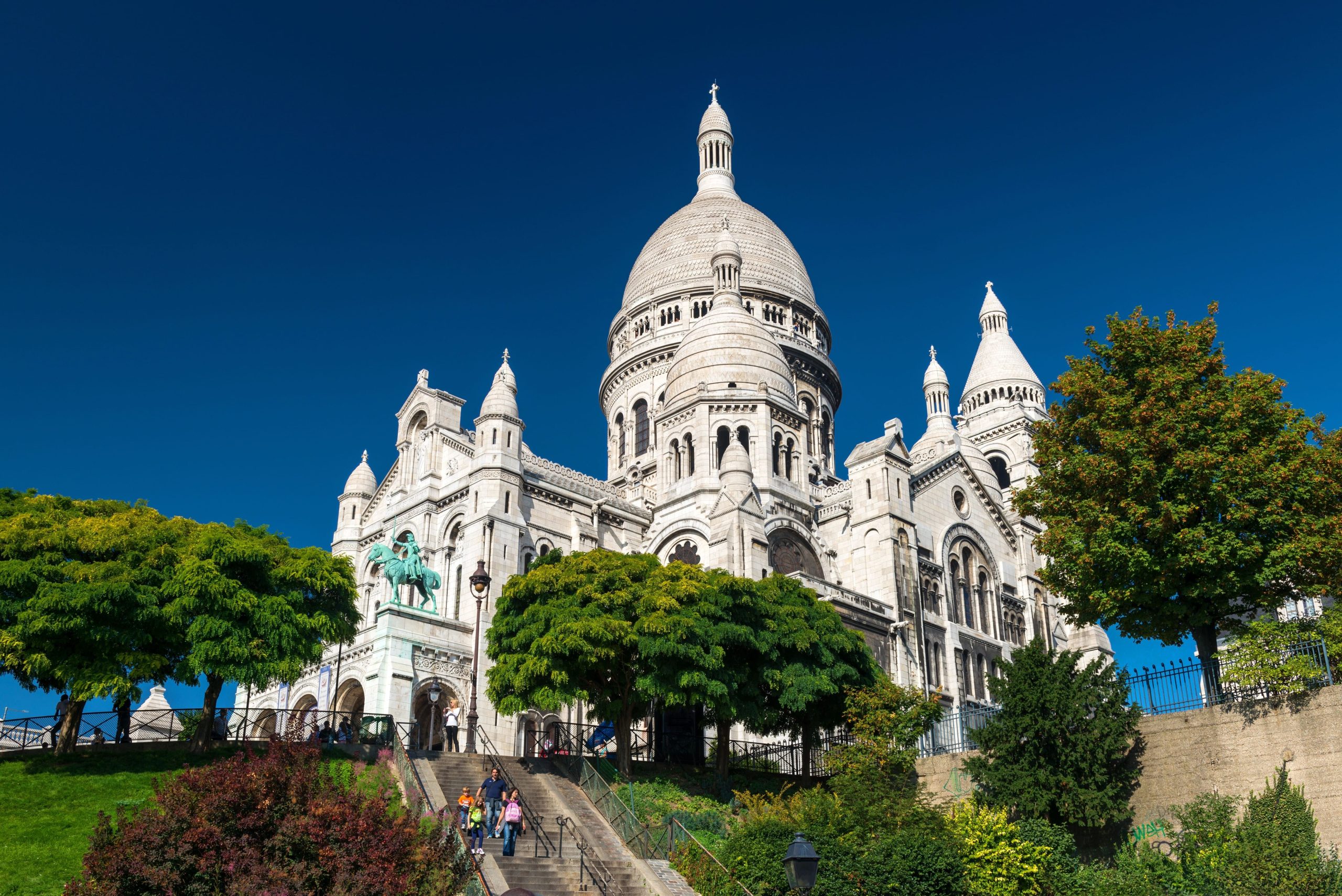
Montmartre Hill: The Artistic Heart of Paris
Montmartre Hill is one of the most famous and picturesque neighborhoods in Paris. Rising 130 meters above the city, this hilltop district offers one of the most stunning panoramic views of the French capital. Known for its unique atmosphere, cobbled streets, and bustling cafés and artist studios, Montmartre is a neighborhood that encapsulates the artistic soul of Paris.
A Little History: From Village to Artistic Refuge
Originally an isolated hill surrounded by vineyards and windmills, Montmartre became part of Paris in 1860. However, it retained its charming village character, attracting many artists, writers, and musicians in search of inspiration.
The late 19th and early 20th centuries saw Montmartre bloom as the center of Parisian bohemia. Artists such as Henri de Toulouse-Lautrec, Auguste Renoir, Pablo Picasso, and many others found creative refuge here. Famous spots like Le Chat Noir, Le Moulin Rouge, and Le Lapin Agile were not just entertainment venues, but hubs for artistic exchange and innovation. Montmartre became the birthplace of the creative energy that defined Paris during the Belle Époque.
The bohemian and artistic spirit

Montmartre has never lost its bohemian soul, and you can feel it as soon as you wander down its narrow streets. Artists’ studios, art galleries and typical cafés continue to embody the spirit of freedom for which the district is famous. A stroll through Montmartre is a chance to soak up the culture of the Belle Époque, meet artists and feel the influence of history on every street corner.
A great place to stroll
Despite its status as a tourist attraction, Montmartre has retained a neighbourhood atmosphere, with its narrow cobbled streets, picturesque staircases and hidden gardens. The Square Louise Michel, at the foot of the Sacré-Coeur, is a peaceful place to take a break, as is the Cimetière de Montmartre, where many famous figures from the world of art and culture are laid to rest.